International Space Station

Orbiting laboratory advancing discoveries for humankind 

Laboratory, proving ground, home

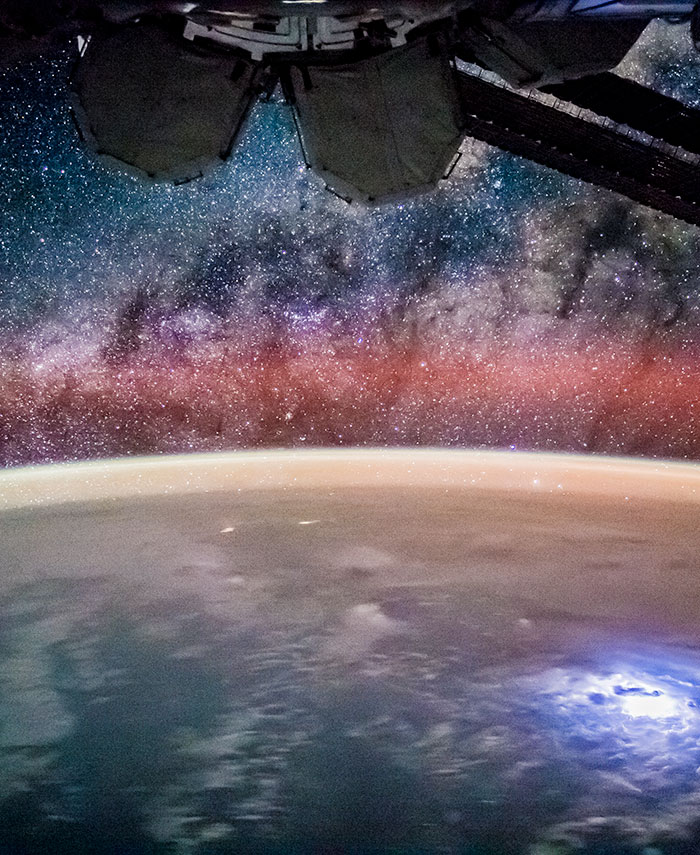
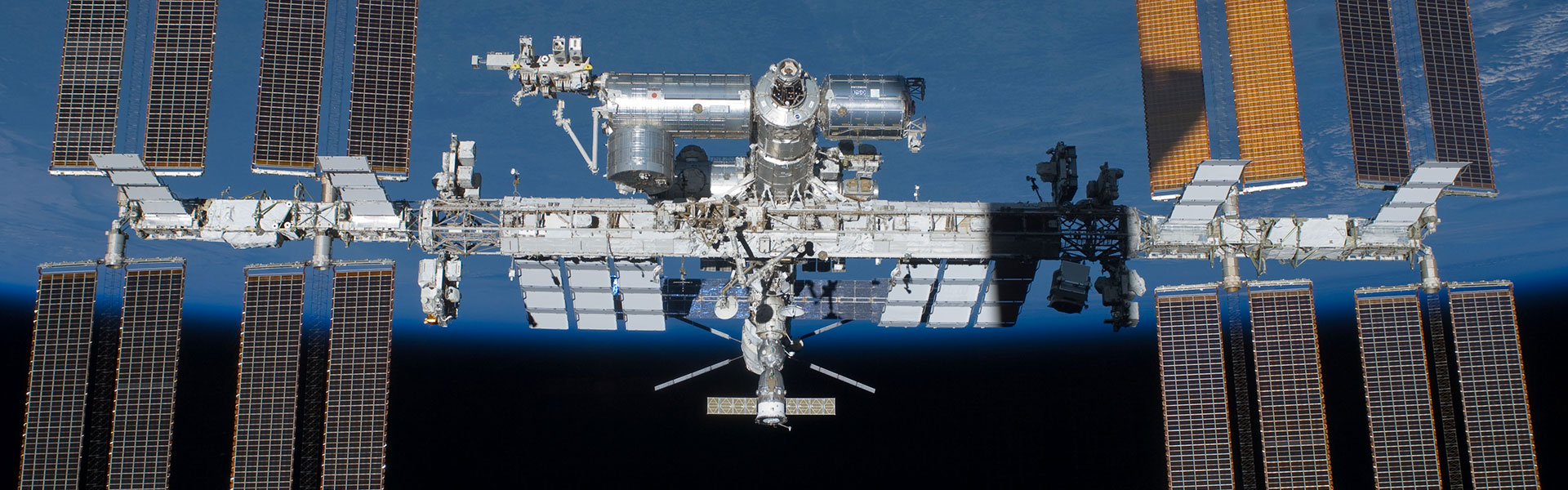
The International Space Station (ISS) is a permanently crewed on-orbit laboratory that enables scientific research supporting innovation on Earth and future deep space exploration. From design to launch, 15 countries collaborated to assemble the world’s only permanently crewed orbital facility, which can support up to seven astronauts and 300 to 400 experiments per crew increment, across an array of disciplines. The ISS is the cornerstone of human activity in low Earth orbit, a cooperative global effort to expand our knowledge and improve life on Earth while testing technology that will build a LEO economy and extend our reach to the moon, Mars and beyond.

Boeing officially turned over the U.S. on-orbit segment of the ISS to NASA in 2010 and continues to provide key engineering support services and continual capability enhancements, as well as processing for laboratory experiment racks. Due to its modular systems and the limited degradation of the space environment, technical assessments have shown the station could safely operate beyond 2030 if NASA and its international partners choose to do so.
Opportunities for Commercial Business

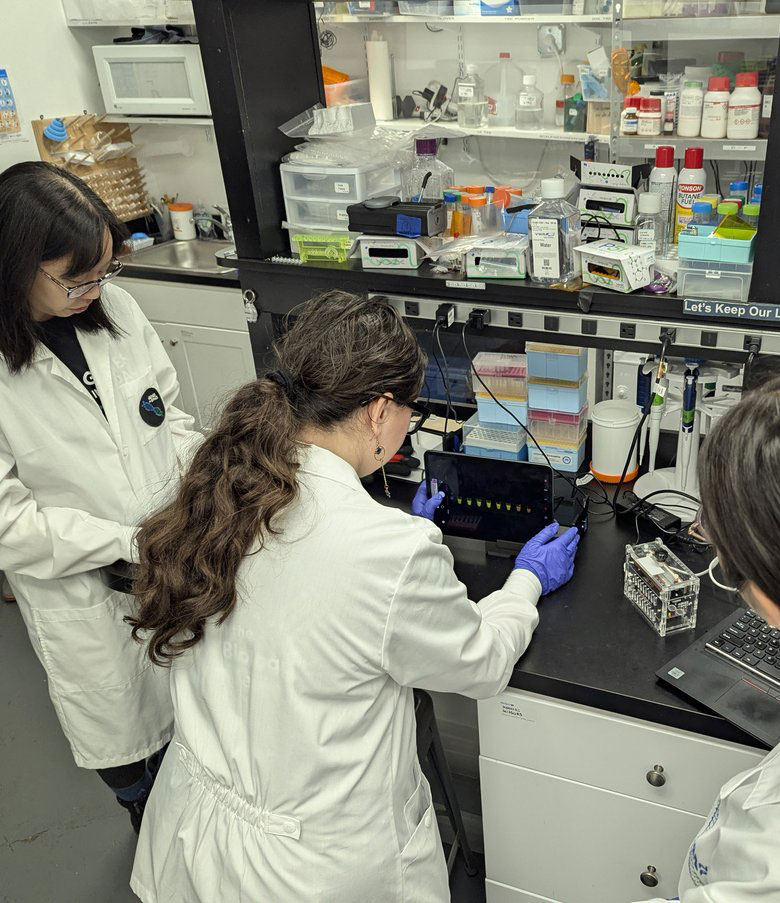
ISS is hitting its stride as an incubator and business model in the commercial space ecosystem. Among the entities benefiting from ISS access is the Boeing-founded Genes in Space, a STEM contest that challenges students to design DNA analysis experiments for the ISS National Lab (managed by the Center for the Advancement of Science in Space, or CASIS). Winners’ experiments are launched to ISS to be performed by astronauts, with published results.

Boeing also partners with the ISS U.S. National Lab on the MassChallenge startup accelerator’s “Technology in Space” competition. Winning companies receive funding and the opportunity to have their research conducted on the station. 

Innovations for Environmental Impact

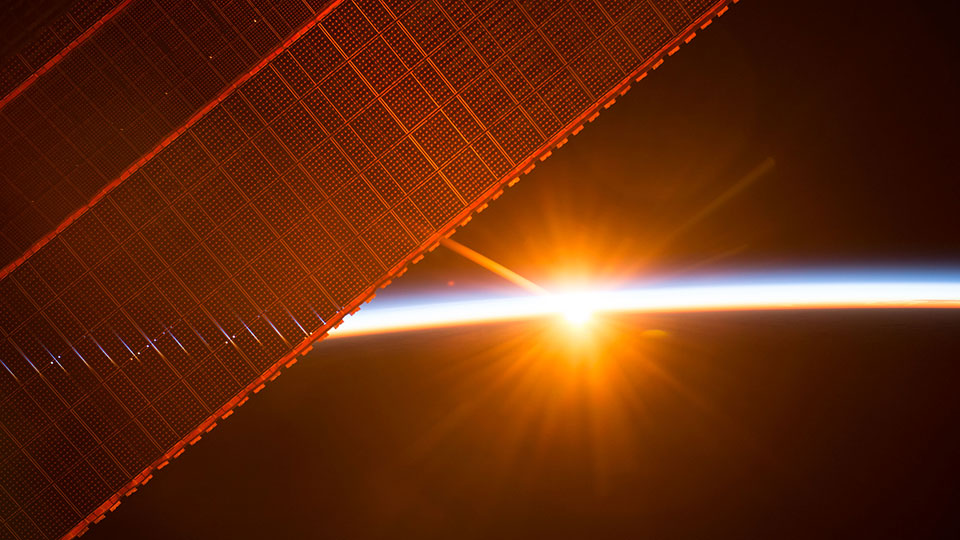
The International Space Station has inspired sustainability efforts here on Earth. With advancements like next-generation, high-efficiency solar arrays and global humanitarian initiatives, see how discoveries on orbit help us innovate for a better tomorrow.

Benefits for Deep Space Exploration

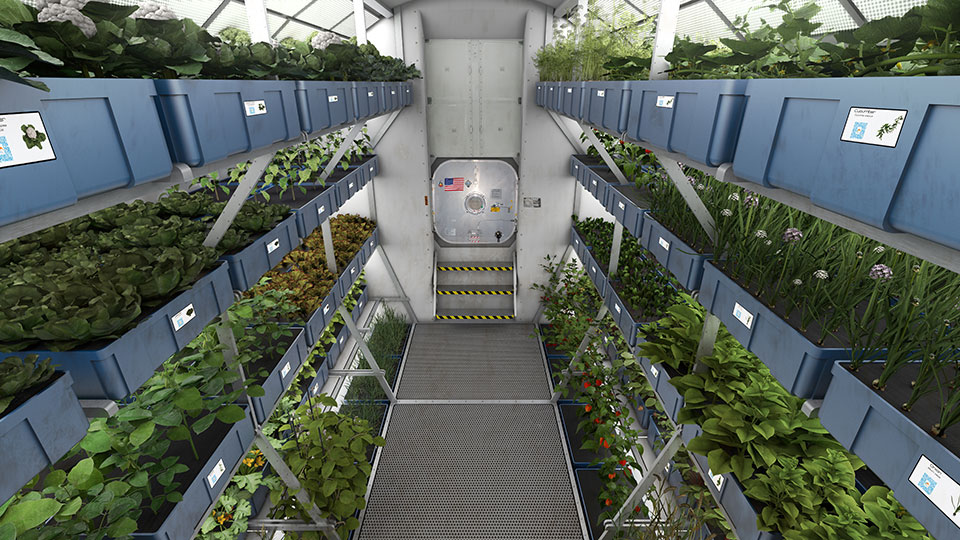
The United States’ goal of sustained human exploration of deep space relies on advanced technologies such as surface habitats.

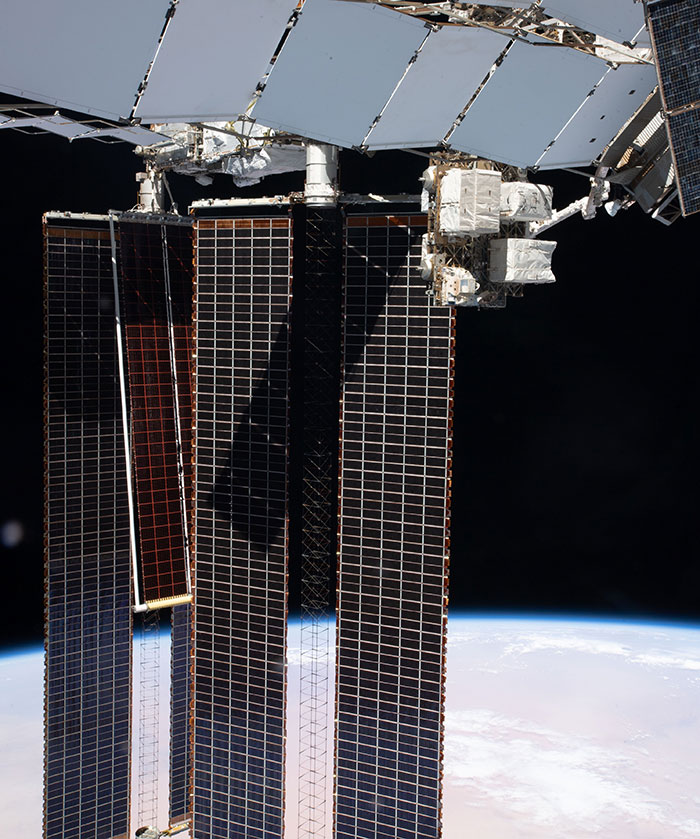
Boeing’s deep-space surface habitat concept builds on the company’s experience from designing, building and operating the ISS for more than 20 years, including recent advances such as superefficient lithium-ion batteries and roll-out solar arrays. Boeing continues to develop habitation modules for lunar and deep space environments.

The ISS also gives researchers a unique environment to investigate the physiological and psychological effects of long-duration spaceflight, and to test deep-space technologies, in preparation for crewed missions to the moon and Mars.

Station Highlights

International Space Station International Space Station

Discover the station’s real-time position

Specifications

Length (pressurized section) 167 feet (51 meters)
Total Length 192 feet (58.5 meters)
Total Height 100 feet (30.5 meters)
Solar Array Wingspan 239 feet (72.8 meters)
Integrated Truss Length 357 feet (109 meters)
Mass (weight) 919,964 pounds (417,289 kilograms)
Operating Altitude 220 nautical miles (407 kilometers) average
Inclination 51.6 degrees to the equator
Atmosphere Inside 14.7 psi (101.4 kilopascals)
Pressurized Volume 34,700 cubic feet (habitable volume of 14,400 cubic feet)
Computers to Control Station 52
Power Generation 120 kilowatts (current) — 215 kilowatts (with new solar arrays installed)

International Partners

The Nations of the International Space Station

NASA selected Boeing as prime contractor for the International Space Station on Aug. 17, 1993, and the original cost-plus-award-fee contract began on Jan. 13, 1995. Boeing is responsible for maintaining the station at peak performance levels so the full value of the unique research laboratory is available to NASA, its international partners, other U.S. government agencies and private companies.

Belgium Canada Denmark
France Germany Italy 
Japan  Netherlands Norway
Russia Spain  Sweden 
Switzerland  United Kingdom United States

Background

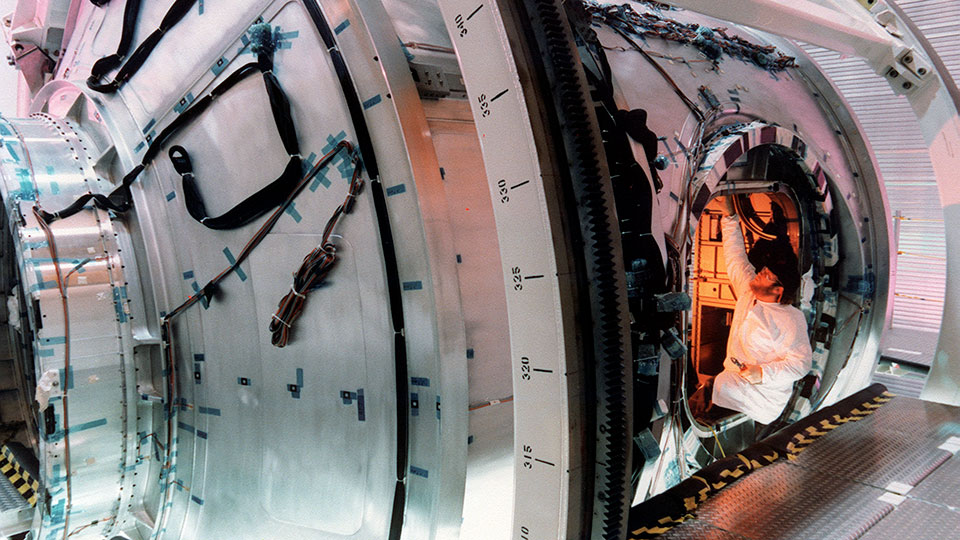
As NASA’s prime contractor, Boeing designed and developed key structural elements of the International Space Station, including the Unity Node — the first U.S.-built component — the Destiny Laboratory Module, and truss segments, while continuing to provide engineering, operations, payload integration, and vehicle sustainability support. Over two decades, Boeing has delivered innovations such as superefficient lithium-ion batteries and roll-out solar arrays powered by Spectrolab solar cells that enhance the station’s capabilities. Designated a National Lab in 2005, the ISS serves as a vital test bed for technologies essential to future exploration and commercial low Earth orbit destinations. Additionally, Boeing manages technical integration across all station segments, including visiting vehicles and international partner components.