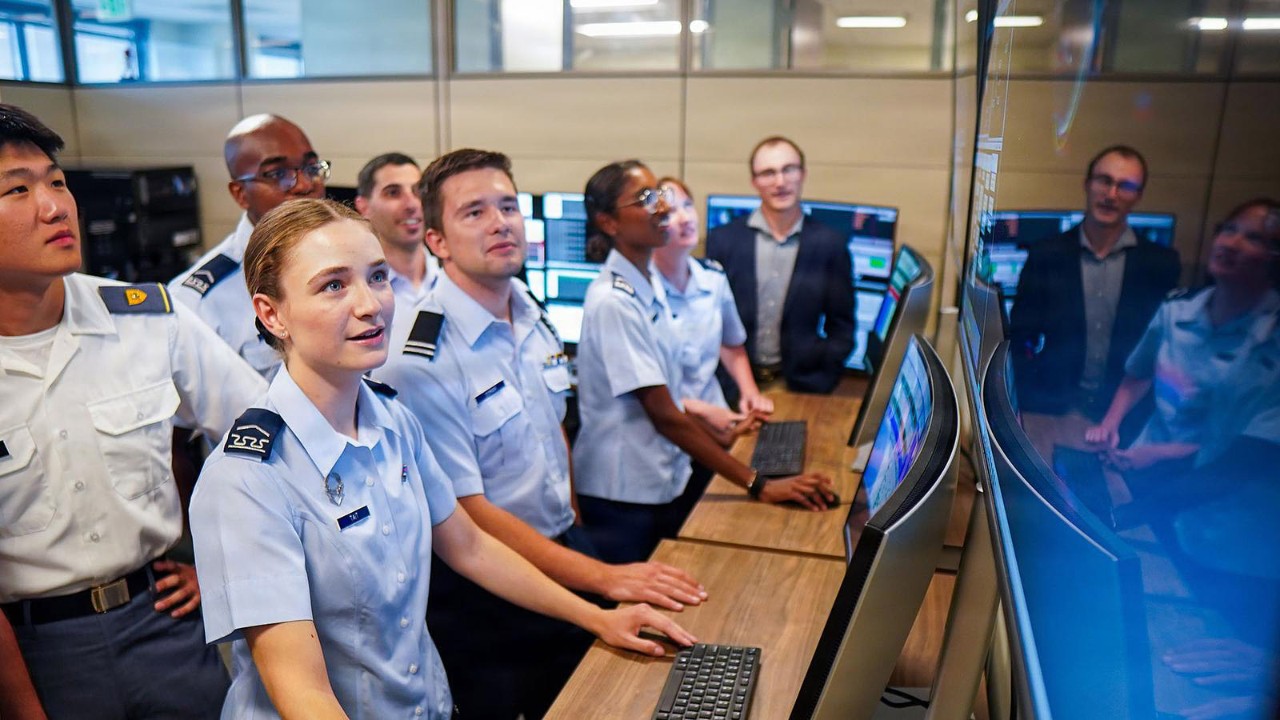
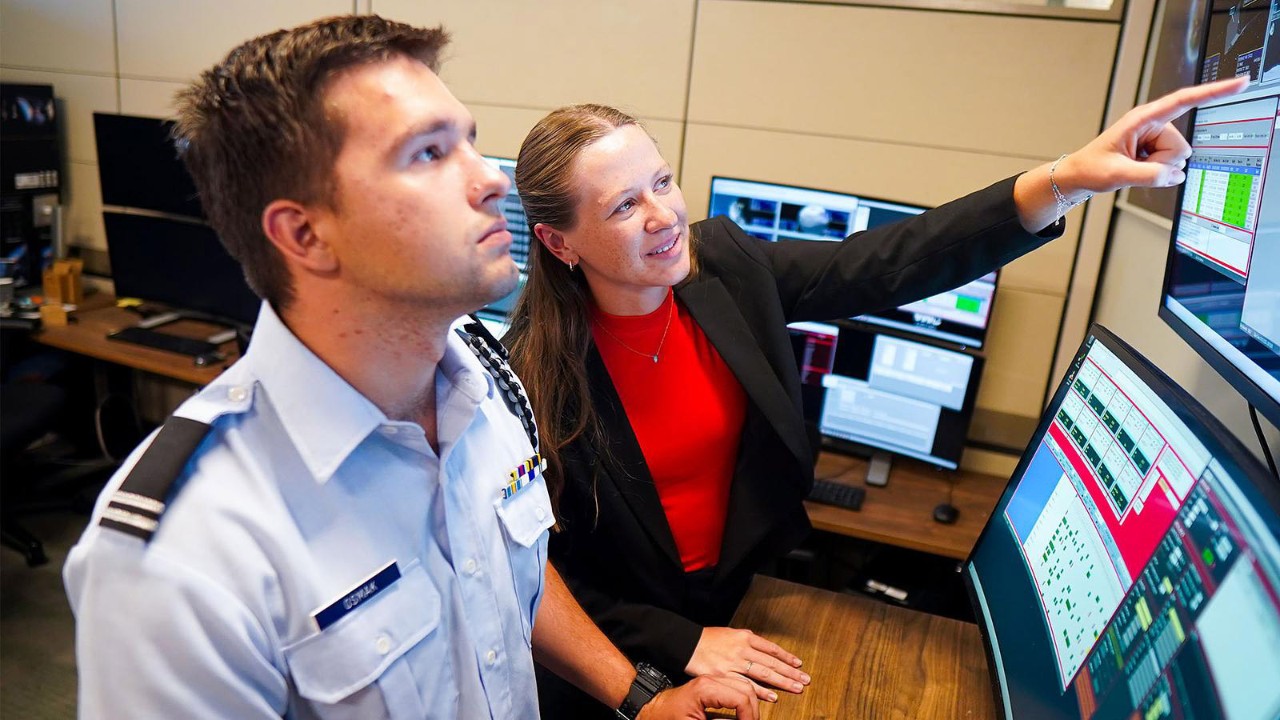
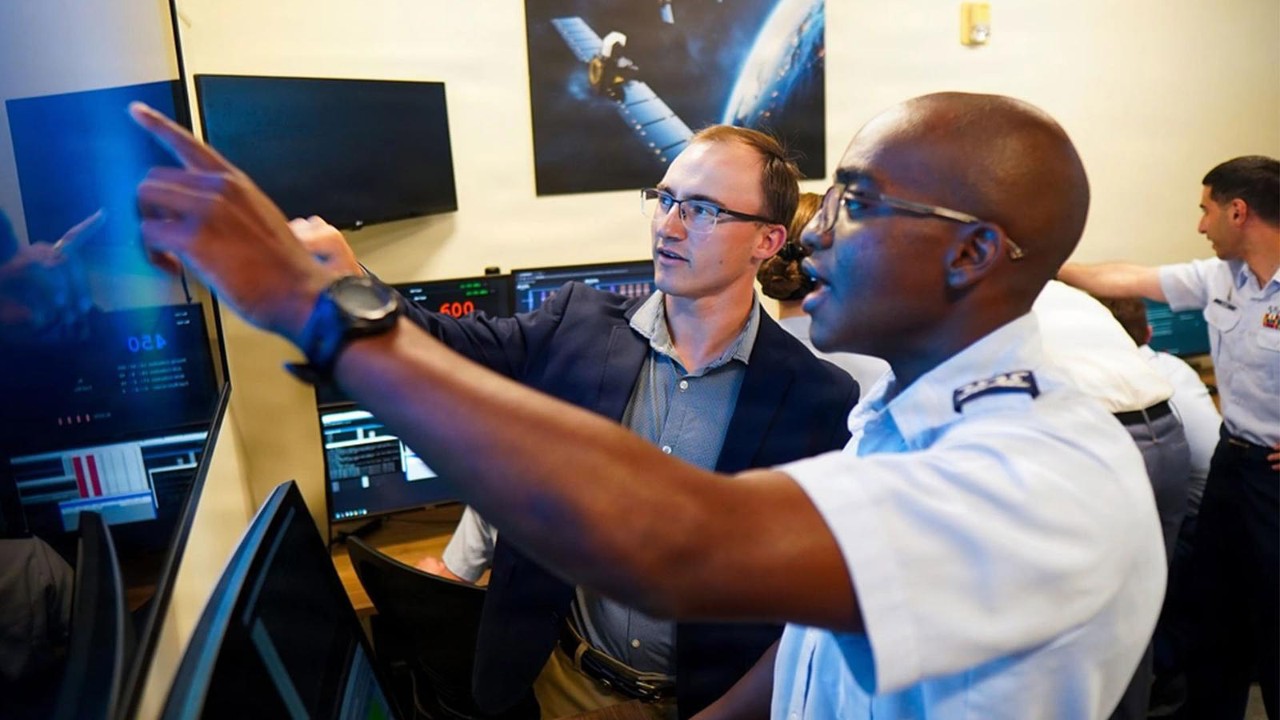
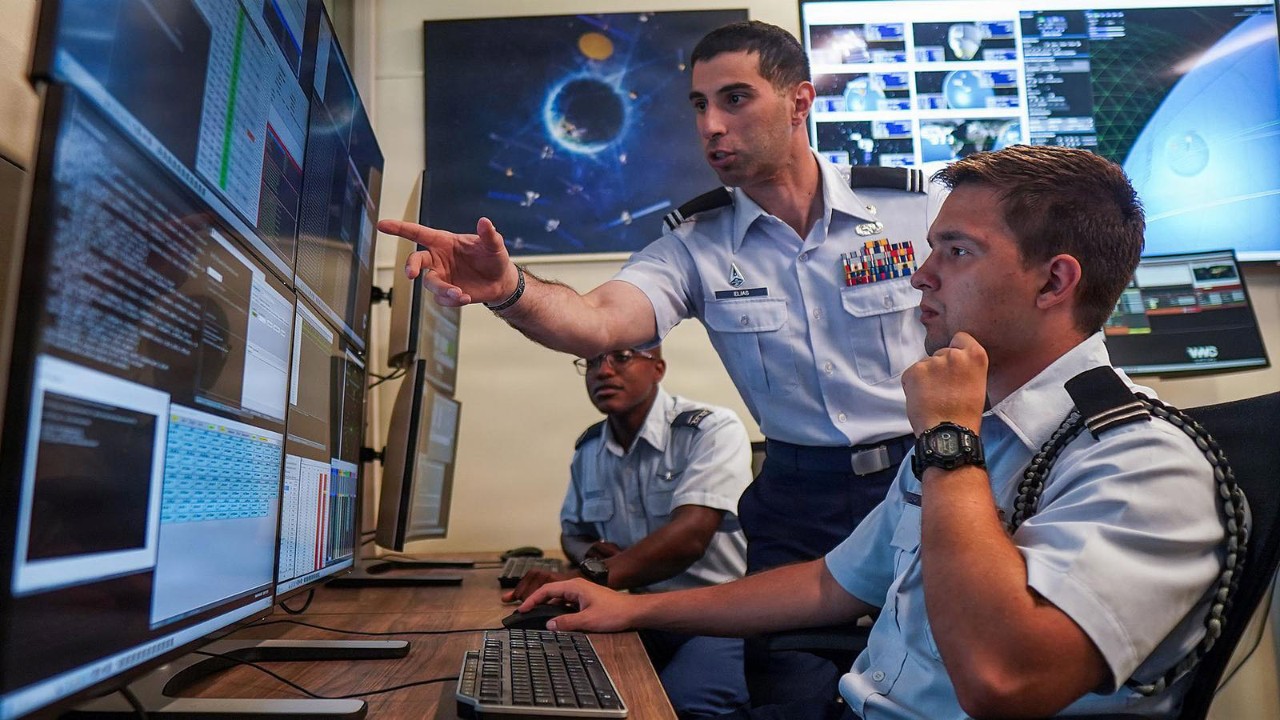
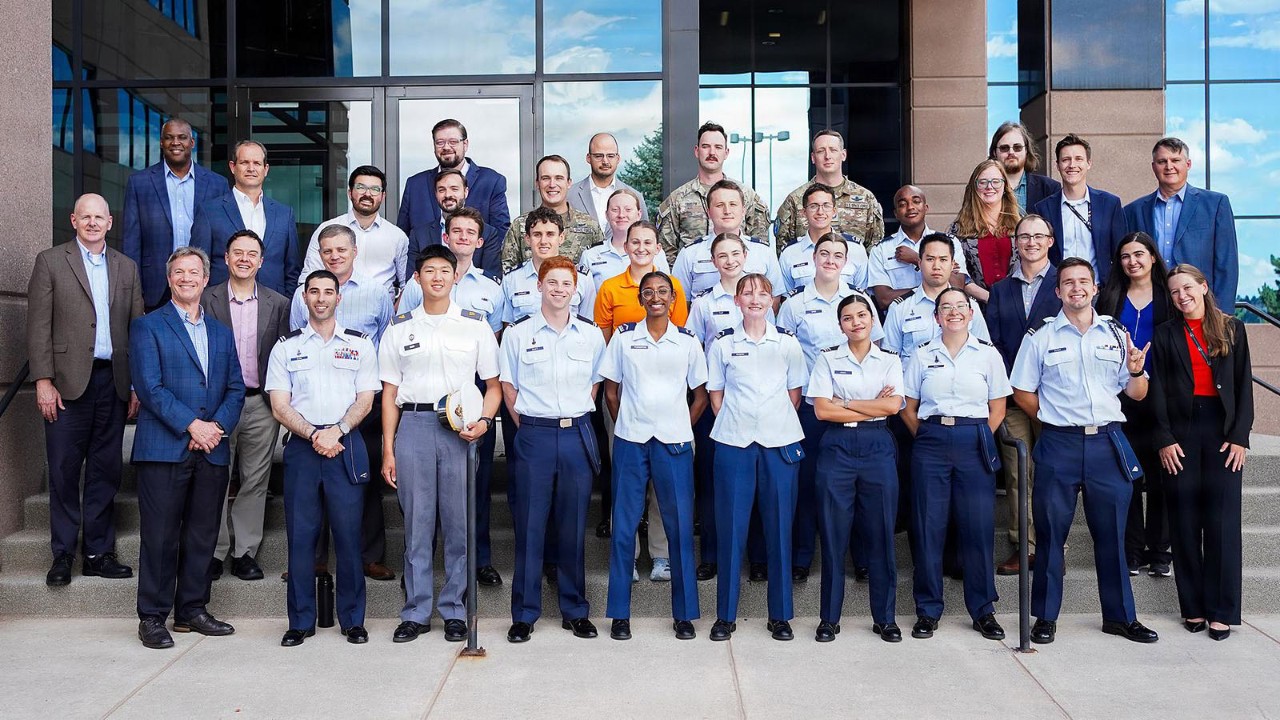
Boeing’s Virtual Warfare Center (VWC) in Colorado Springs, Colorado, recently brought together cadets, United States Space Force operators and Boeing teammates for hands-on training through the USSF Azimuth program. The three-week experience challenged the cadets — future military officers — to work in teams, make critical decisions and respond to simulated changing conditions in a contested space environment.
Why it matters: The partnership helps build the next generation of decision-makers and leaders while showing how government, military and industry teams can work together toward a shared mission.
- “Boeing has a strong relationship with all our service academies,” said Mike Manor, Space Field and Customer Engagement director for Boeing. “Our VWC team has done a remarkable job enabling the Azimuth program cadets to learn and grow from experiencing a realistic warfighting scenario … instrumental in preparing them to lead in space operations and related missions when they enter the United States Space Force after graduation.”
The Azimuth program annually hosts about 300 cadets from the U.S. Air Force, Naval and military academies, and the Air Force Reserve Officers’ Training Corps detachments, providing a comprehensive foundation in space operations.
- Though the cadets are primarily hosted at Colorado’s United States Air Force Academy for the program, about 25 per session participated in three Virtual Warfare Center simulation events hosted by Boeing in July.
How it works: Cadets were divided into “Blue” and “Red” teams and asked to plan and execute space missions in a classified training setting.
- They received a mission brief, learned the simulation and worked through their planning sessions.
“My mind was absolutely blown,” said Aniket Martins, USSF cadet. “It was the first time I got to immerse myself in a day-to-day Space Force environment.”
- The simulation environment scored the cadets based on their actions and how well they met mission objectives missions, creating a competitive environment that required teamwork, critical thinking and fast operational decision-making. Each mission was followed by a replay and debrief that helped cadets understand “the why” behind choices made by both teams.
“The cadets brought a lot of energy to our virtual simulation environment,” said David Eubanks, VWC Azimuth test director for Boeing. “Our warfare scenario simulation exposed them to what a wartime conflict would look like in real time to satellite operators, and how they would sometimes receive competing priorities to weigh and find innovative solutions to achieve.”
- USSF Space Weapons School operators guided the Blue Team, while Space Aggressor Squadrons supported the Red Team — an opportunity for collaboration between all those involved.
“The partnership between Boeing and the United States Space Force plays a vital role in preparing the next generation of Guardians,” said USSF Capt. Erik Anderson, Azimuth director. “By exposing cadets to cutting-edge technologies, realistic training environments and the collaborative relationship between government and industry, experiences like these reinforce the importance of our enduring partnership and ability to maintain a competitive advantage in the space domain.”
The big picture: Boeing’s Virtual Warfare Center has developed space mission tools and capabilities for more than 15 years. Its high-fidelity environment supports wargaming, detailed analysis and advanced learning for Space Force organizations.
By Mallory Beard and Amy Dukes