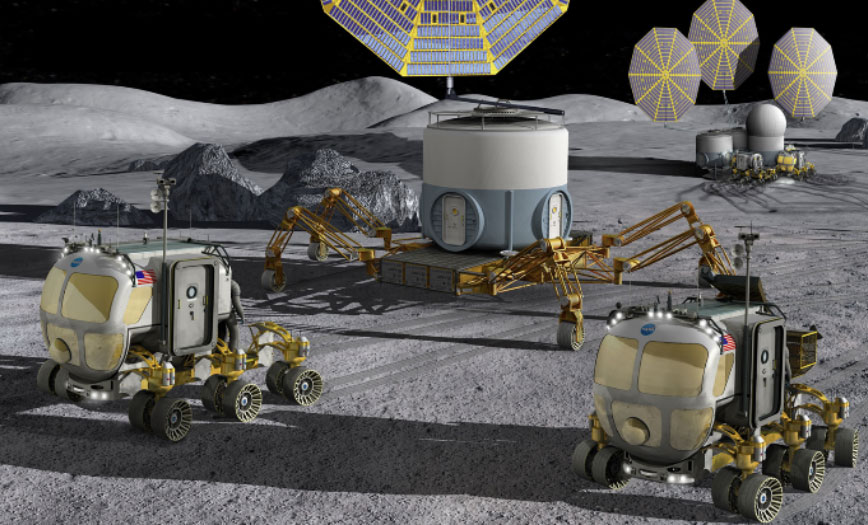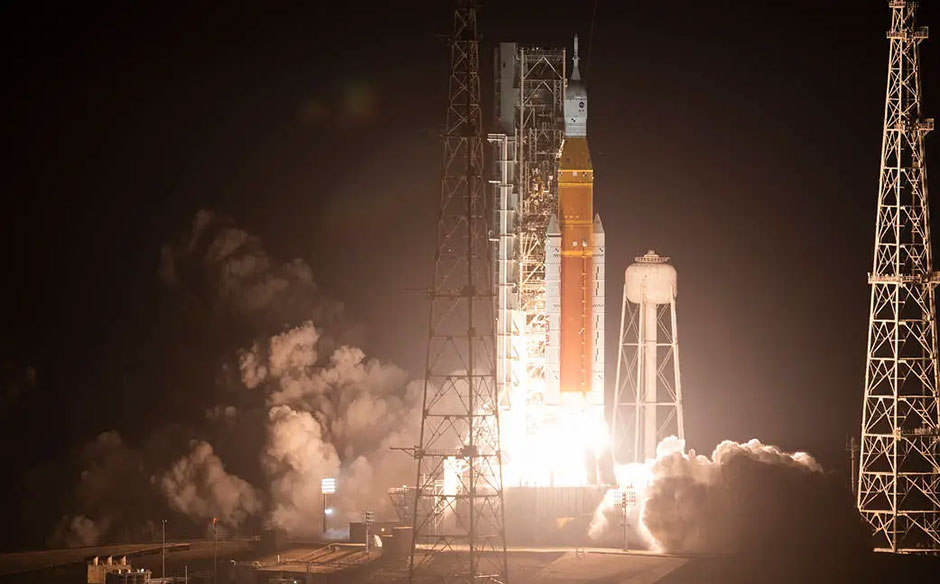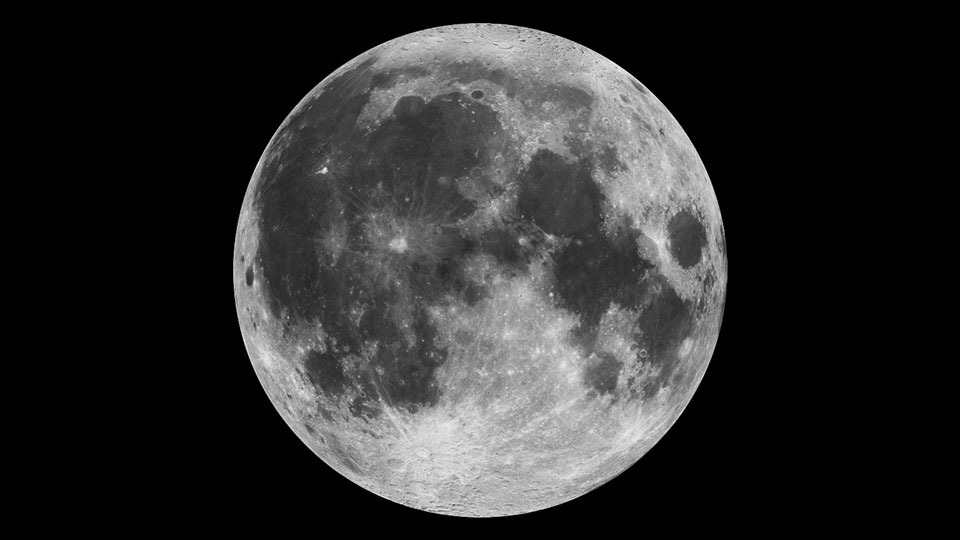
The moon has long captivated humanity, serving as a beacon of exploration since the first lunar landing in 1969. NASA’s Artemis program aims to return humans to the lunar surface and establish a sustainable presence there, not for nostalgia but rather a strategic step toward deeper space exploration, particularly Mars.
Why the moon?
The moon is a crucial step for the journey into deeper space, providing a platform to test technologies, develop sustainable practices and gain invaluable experience for future interplanetary missions.
Testing ground for technologies and operations
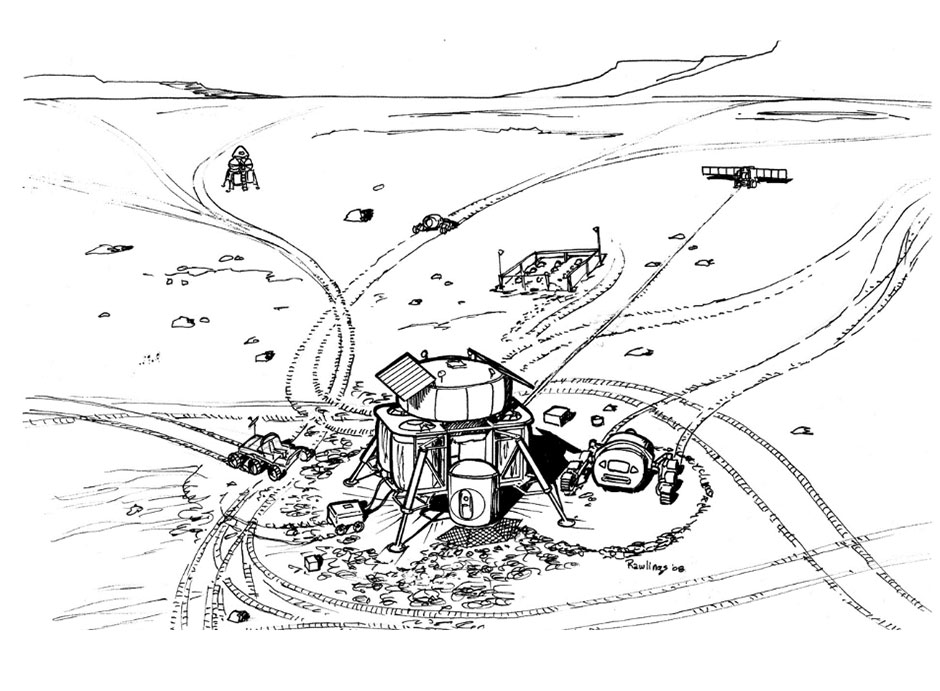
The moon serves as a unique testing ground for the technologies and operational strategies required for long-duration space missions. Its proximity to Earth allows for rapid response and support, making it easier to troubleshoot and refine systems before embarking on more distant journeys. Conducting missions on the moon allows for the evaluation of life support systems, habitat designs and resource extraction techniques in a relatively controlled environment. This iterative process will enhance readiness for the challenges posed by Mars and beyond.
Resource utilization and sustainability
The moon is rich in valuable resources, including water-ice in permanently shadowed regions, which could be converted into drinking water, oxygen and even rocket fuel. Establishing the capability to harness these resources will be vital for sustaining human presence and supporting future missions to Mars.