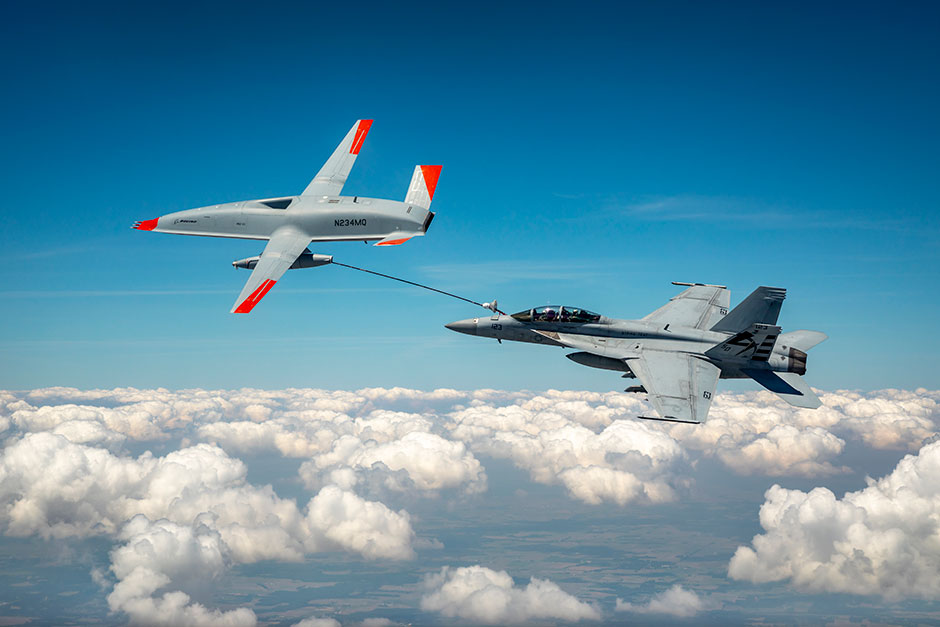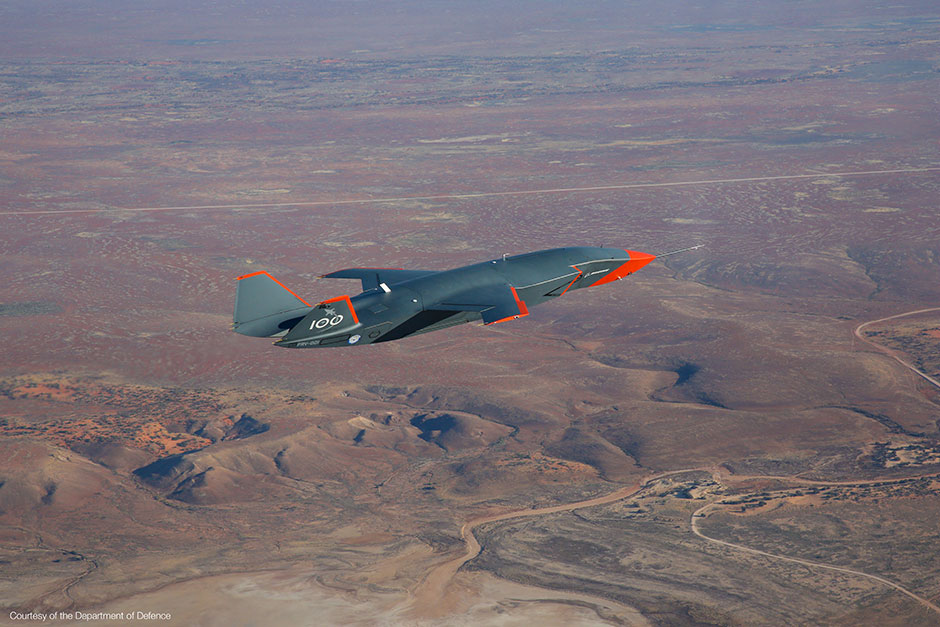
In an era when technological advancements are reshaping the battlefield, Boeing stands at the ready to deliver unmatched capabilities. In addition to the forthcoming F-47, Boeing is working to provide combat overmatch with the design and development of collaborative combat aircraft (CCA) as they represent a paradigm shift in military strategy.
Unlike traditional aircraft that operate independently, CCAs are designed to work in tandem with other platforms, including manned and unmanned systems. This collaborative approach allows for a more versatile and adaptive response to threats, maximizing the strengths of each aircraft involved.
We sat down with Jerad Hayes, vice president and chief engineer for Boeing Phantom Works, to learn more about Boeing’s efforts around CCAs.
Q: What is Boeing’s plan or vision for unmanned aircraft?
Hayes: Boeing’s vision for unmanned aircraft is rooted in the belief that the future of air combat lies in teamwork. By leveraging advanced communication systems and artificial intelligence, these loyal wingmen can communicate with each other to share real-time data, coordinate maneuvers and execute complex missions with unprecedented precision. The result is a more cohesive and effective fighting force capable of responding to dynamic battlefield conditions.
Q. How long has Boeing been in the unmanned CCA game?
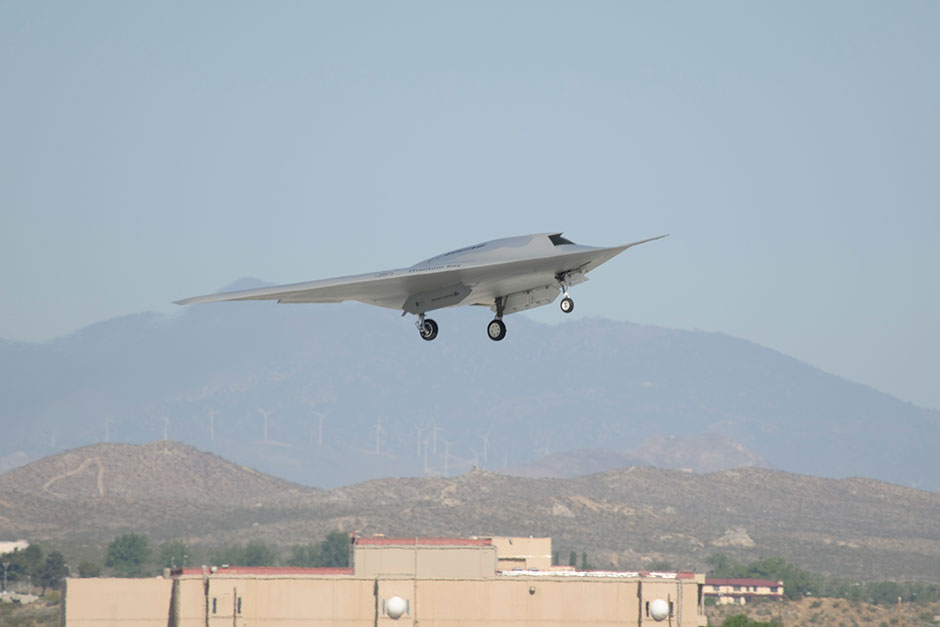
Hayes: Since the 1950s. Boeing is not new to the unmanned aircraft arena, as the company has been designing and developing new technologies around unmanned systems for decades. Dating back to World War II, Boeing converted B-17s as drones for missions that were too dangerous for crews. Fast forward to the 2000s, Boeing developed the X-45A Unmanned Combat Air Vehicle, a fully autonomous unmanned air vehicle that was designed for network-centric combat operations.